Introduction
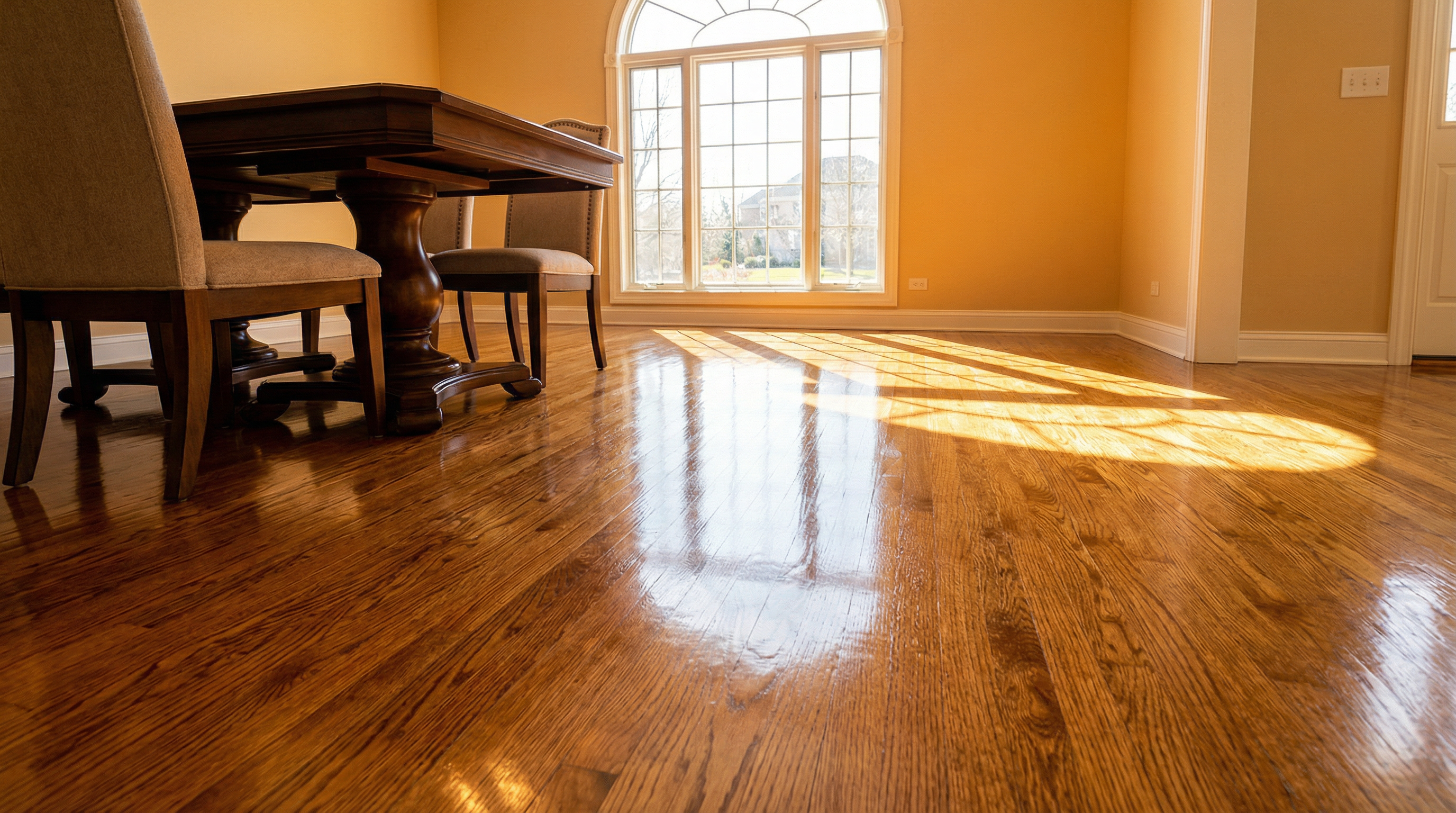
Hardwood floors are one of the most valuable features a home can have. They add warmth, character, and significant resale value. But unlike carpet, which can be replaced relatively easily, hardwood floors are a long-term investment that requires proper care to maintain their beauty for decades.
The good news is that hardwood floor maintenance isn't complicated—but it does require knowing what to do and, equally important, what not to do. Many well-intentioned homeowners inadvertently damage their floors using cleaning methods that seem logical but are actually harmful.
This guide covers the essential dos and don'ts of hardwood floor care, helping you protect your investment and keep your floors looking beautiful for years to come.
The Dos: Best Practices for Hardwood Floor Care
Do: Establish a Regular Cleaning Routine
Consistency is key to hardwood floor maintenance. Dust and dirt act like sandpaper underfoot, gradually scratching and dulling your floor's finish with every step.
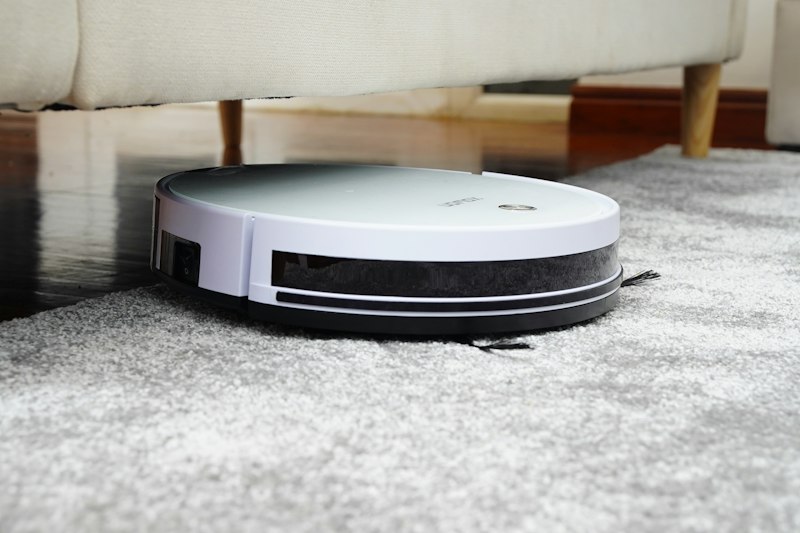
Sweep or dust mop daily in high-traffic areas using a soft-bristle broom or a microfiber dust mop. These tools effectively capture dust without scratching. Vacuum weekly using the bare floor setting—never the beater bar, which can damage wood surfaces. Monthly, clean with a hardwood-specific cleaner to remove built-up residue.
Do: Clean Spills Immediately
Water is hardwood's greatest enemy. Even water-resistant finishes can't protect against prolonged moisture exposure. When spills happen, wipe them up immediately with a dry or slightly damp cloth. Don't let liquids sit, even for a few minutes.
Pay special attention to areas near sinks, refrigerators, and pet water bowls. Consider placing absorbent mats in these high-risk zones.
Do: Use the Right Cleaning Products
Not all floor cleaners are safe for hardwood. Use only pH-neutral cleaners specifically formulated for hardwood floors. These products clean effectively without leaving residue or damaging the finish.
When in doubt, a simple solution of water with a few drops of dish soap works for most routine cleaning. Just ensure your mop is barely damp, not wet.
Do: Protect High-Traffic Areas
Strategic use of rugs and runners protects your floors where they need it most. Place rugs at entryways to capture dirt before it reaches your floors. Use runners in hallways and other high-traffic paths. Area rugs under dining tables catch dropped food and protect against chair movement.
Choose rugs with breathable, non-rubber backings. Rubber and vinyl backings can trap moisture and discolor wood over time.
Do: Use Furniture Pads
Every piece of furniture that touches your hardwood floor should have felt pads on its legs. This simple precaution prevents scratches when furniture is moved, even slightly. Check and replace pads regularly, as they wear down and can accumulate grit that scratches floors.
For heavy furniture, use wide furniture coasters that distribute weight and prevent indentations.
Do: Control Indoor Climate
Wood naturally expands and contracts with humidity changes. Extreme fluctuations can cause gaps between boards, cupping, or crowning. Maintain indoor humidity between 35% and 55% year-round using humidifiers in winter and dehumidifiers or air conditioning in summer.
Do: Lift Furniture When Moving
Never drag furniture across hardwood floors. Even with felt pads, dragging can scratch the finish and damage the wood. Always lift furniture completely off the floor when repositioning. For heavy pieces, use furniture sliders designed for hardwood floors.
Do: Trim Pet Nails
Long pet nails are a leading cause of hardwood floor scratches. Keep your pets' nails trimmed short and smooth. Consider nail caps for dogs if scratching remains a problem despite regular trimming.
The Don'ts: Common Mistakes to Avoid
Don't: Use Excessive Water
This is the most common mistake homeowners make. Wet mopping, steam cleaning, and using excessive water when cleaning can cause serious damage to hardwood floors.
Water seeps between boards and penetrates the wood, causing swelling, warping, cupping, and finish damage. Over time, water damage can require expensive repairs or complete floor replacement.
When cleaning, your mop should be barely damp—almost dry to the touch. If you see water pooling or standing on the floor, you're using too much.
Don't: Use Steam Cleaners
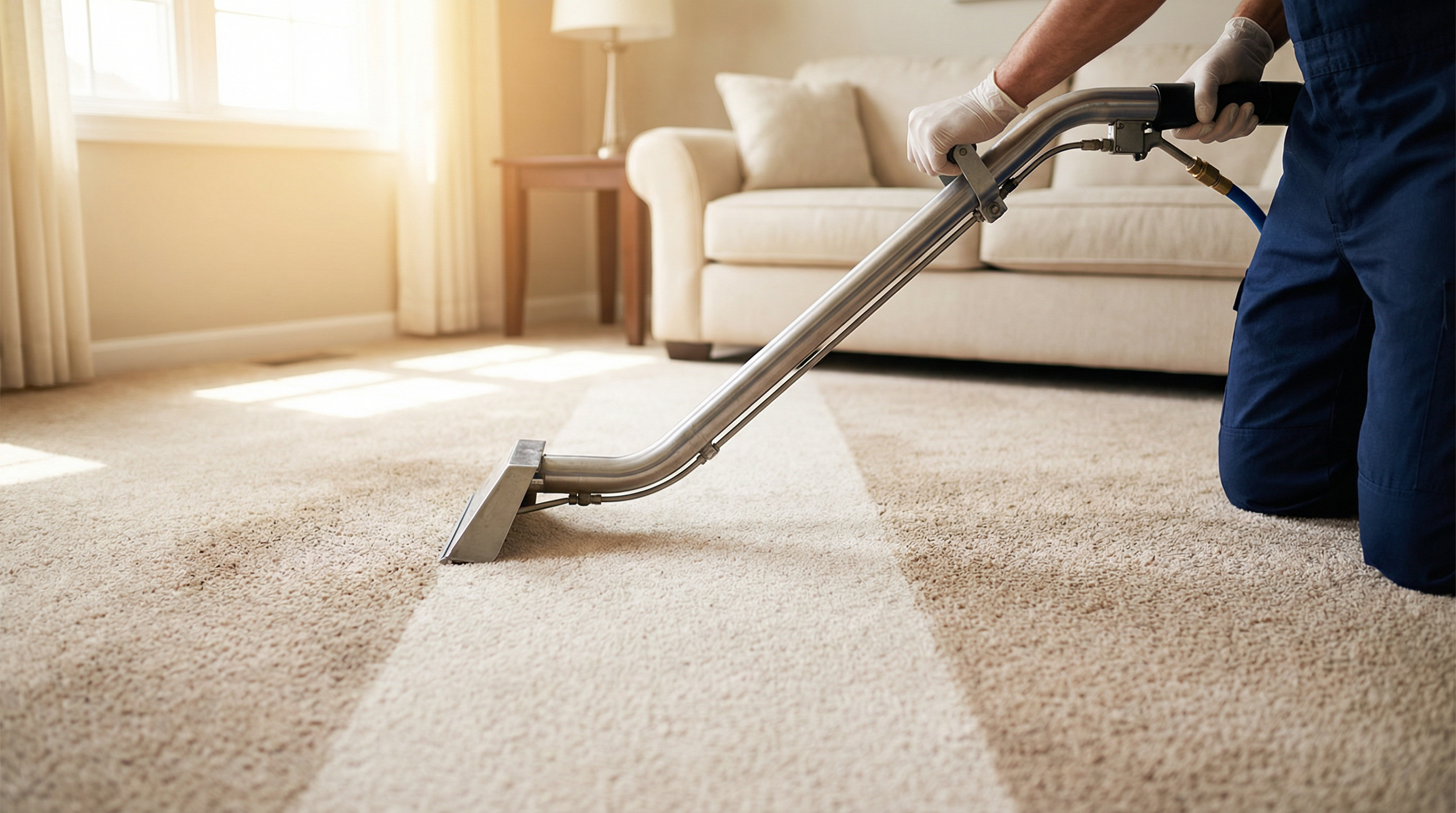
Steam cleaners combine two things that damage hardwood: heat and moisture. The high temperature and steam penetrate the finish and wood, causing the same problems as water damage but more quickly. Never use a steam cleaner on hardwood floors, regardless of what the steam cleaner manufacturer claims.
Don't: Use Vinegar or Ammonia
Despite their popularity as natural cleaners, vinegar and ammonia-based products should never be used on hardwood floors. Their acidity gradually breaks down the floor's finish, leaving it dull and unprotected. Over time, this damage becomes permanent and requires refinishing to correct.
Don't: Use Oil-Based Soaps or Wax on Polyurethane Finishes
Most modern hardwood floors have polyurethane finishes. Using oil soaps or wax on these floors creates a buildup that dulls the finish and makes future refinishing difficult. These products are only appropriate for floors with traditional wax finishes, which are increasingly rare.
If you're unsure what finish your floors have, consult a flooring professional before using any specialty products.
Don't: Use Abrasive Tools
Steel wool, stiff brushes, and abrasive scrubbing pads scratch hardwood finishes. Even "gentle" scrubbing with the wrong tool can leave permanent marks. Stick to soft cloths, microfiber mops, and soft-bristle brooms.
Don't: Let Dirt Accumulate
Dirt and grit are abrasive. When walked on, they act like sandpaper, gradually wearing away your floor's finish. Regular sweeping and dust mopping prevent this accumulation and protect your finish.
Don't: Ignore Scratches and Damage
Small scratches and worn areas worsen over time if ignored. Address minor damage promptly with touch-up products designed for your floor's finish. Catching problems early prevents them from becoming major repairs.
Don't: Wear High Heels or Cleats Indoors
High heels concentrate body weight on a tiny point, creating enough pressure to dent hardwood. Athletic cleats and spiked shoes cause obvious damage. Establish a shoes-off policy or keep indoor shoes available for family and guests.
Don't: Expose Floors to Direct Sunlight
UV rays fade and discolor hardwood over time. Use curtains, blinds, or UV-filtering window treatments in rooms with significant sun exposure. Periodically rearrange rugs and furniture to ensure even aging across the floor.
Don't: Skip Professional Maintenance
Even with excellent daily care, hardwood floors eventually need professional attention. Plan for professional cleaning every one to two years and refinishing every seven to ten years, depending on wear. Professional maintenance extends your floor's lifespan and keeps it looking its best.
Seasonal Considerations
Winter Care
Winter presents unique challenges: dry indoor air, salt and ice melt tracked in from outside, and increased moisture at entryways. Run a humidifier to maintain proper humidity levels. Place extra mats at entrances to capture salt and moisture. Clean up snow and slush immediately when tracked inside.
Summer Care
Summer brings humidity concerns and increased UV exposure. Use air conditioning or dehumidifiers to control moisture. Adjust window treatments to minimize direct sun exposure during peak hours. Clean more frequently if doors are open often, as more dirt enters the home.
Conclusion
Hardwood floor care comes down to a few simple principles: keep them clean, keep them dry, and protect them from physical damage. By following the dos and avoiding the don'ts outlined in this guide, you'll preserve your hardwood floors' beauty and value for decades.
Remember, when in doubt, less is more. A barely damp mop, gentle cleaning products, and consistent maintenance will serve your floors far better than aggressive cleaning methods that seem more thorough but actually cause damage.
Need professional hardwood floor cleaning or restoration in Chicago's Western Suburbs? Haugland Brothers has been caring for hardwood floors since 1968. Contact us for a free estimate.