Introduction
Your commercial floors make a powerful first impression. Whether you operate a retail store, office building, restaurant, or healthcare facility, the condition of your floors communicates volumes about your business. Clean, well-maintained floors signal professionalism, attention to detail, and respect for customers and employees alike.
Beyond aesthetics, proper floor maintenance protects a significant capital investment, reduces liability risks, and creates a healthier environment for everyone who enters your space. This guide covers best practices for commercial floor care across various industries and floor types.
The Business Case for Floor Maintenance
First Impressions Matter
Studies consistently show that customers form opinions about businesses within seconds of entering. Dirty, worn, or damaged floors create negative impressions that are difficult to overcome, regardless of your products or services. Conversely, clean, well-maintained floors build trust and confidence.
Protecting Your Investment
Commercial flooring represents a substantial investment—often tens of thousands of dollars for even modest spaces. Proper maintenance extends floor life significantly. Carpet that might last five years without maintenance can last ten or more with proper care. Hard floors can last decades with appropriate maintenance protocols.
Liability Reduction
Slip-and-fall accidents are among the most common causes of workplace injuries and customer lawsuits. Proper floor maintenance—including appropriate cleaning methods, prompt attention to spills, and correct product selection—reduces these risks substantially.
Health and Productivity
Clean floors contribute to better indoor air quality, reducing allergens and pathogens that can cause illness and absenteeism. For businesses, healthier employees mean higher productivity and lower healthcare costs.
Developing a Maintenance Program
Assessment and Planning
Effective commercial floor maintenance begins with understanding what you have. Conduct a thorough assessment that identifies all floor types in your facility, traffic patterns and high-wear areas, specific challenges like food service areas or entryways, and current condition and any existing damage.
Use this assessment to develop a customized maintenance plan that addresses your specific needs and challenges.
Frequency Guidelines
Commercial spaces require more frequent maintenance than residential settings. General guidelines for carpet include daily vacuuming of entrances and high-traffic areas, complete vacuuming three to five times weekly, spot cleaning as needed, interim cleaning quarterly, and deep extraction cleaning semi-annually or annually.
For hard floors, daily dust mopping or sweeping, damp mopping daily to weekly depending on traffic, spray buffing or burnishing weekly to monthly, stripping and refinishing annually or as needed.
These frequencies should be adjusted based on your specific traffic levels, industry requirements, and floor conditions.
Documentation and Accountability
Maintain detailed records of all maintenance activities. Documentation serves multiple purposes: it ensures consistency when staff changes, provides evidence of due diligence for liability purposes, helps identify patterns and adjust maintenance schedules, and supports warranty claims if flooring fails prematurely.
Carpet Care for Commercial Spaces
Daily Maintenance
Daily vacuuming is non-negotiable for commercial carpet. Focus on entrances, where 80 percent of soil enters your building, high-traffic pathways, areas around food service, and reception and waiting areas.
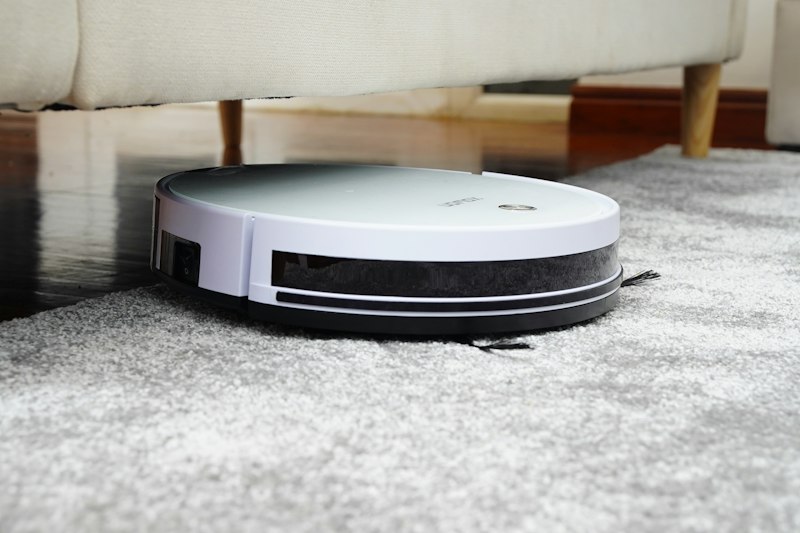
Use commercial-grade vacuums with strong suction and effective filtration. Residential vacuums aren't designed for the demands of commercial use.
Spot Cleaning Protocol
Train staff to address spots and spills immediately. Provide spot cleaning kits in accessible locations throughout your facility. Kits should include clean white cloths, approved spot cleaning solution, a small brush for agitation, and clear instructions for use.
Document all spot cleaning incidents, including location, type of spill, treatment used, and results. This information helps identify problem areas and evaluate cleaning product effectiveness.
Interim Maintenance
Between deep cleanings, interim maintenance methods extend carpet appearance and life. Encapsulation cleaning uses crystallizing polymers to surround soil particles, which are then removed by regular vacuuming. This method is fast-drying and effective for maintenance cleaning.
Bonnet cleaning uses a rotary machine with an absorbent pad to remove surface soil. While not a substitute for deep cleaning, it's useful for quick refreshes in high-visibility areas.
Deep Cleaning
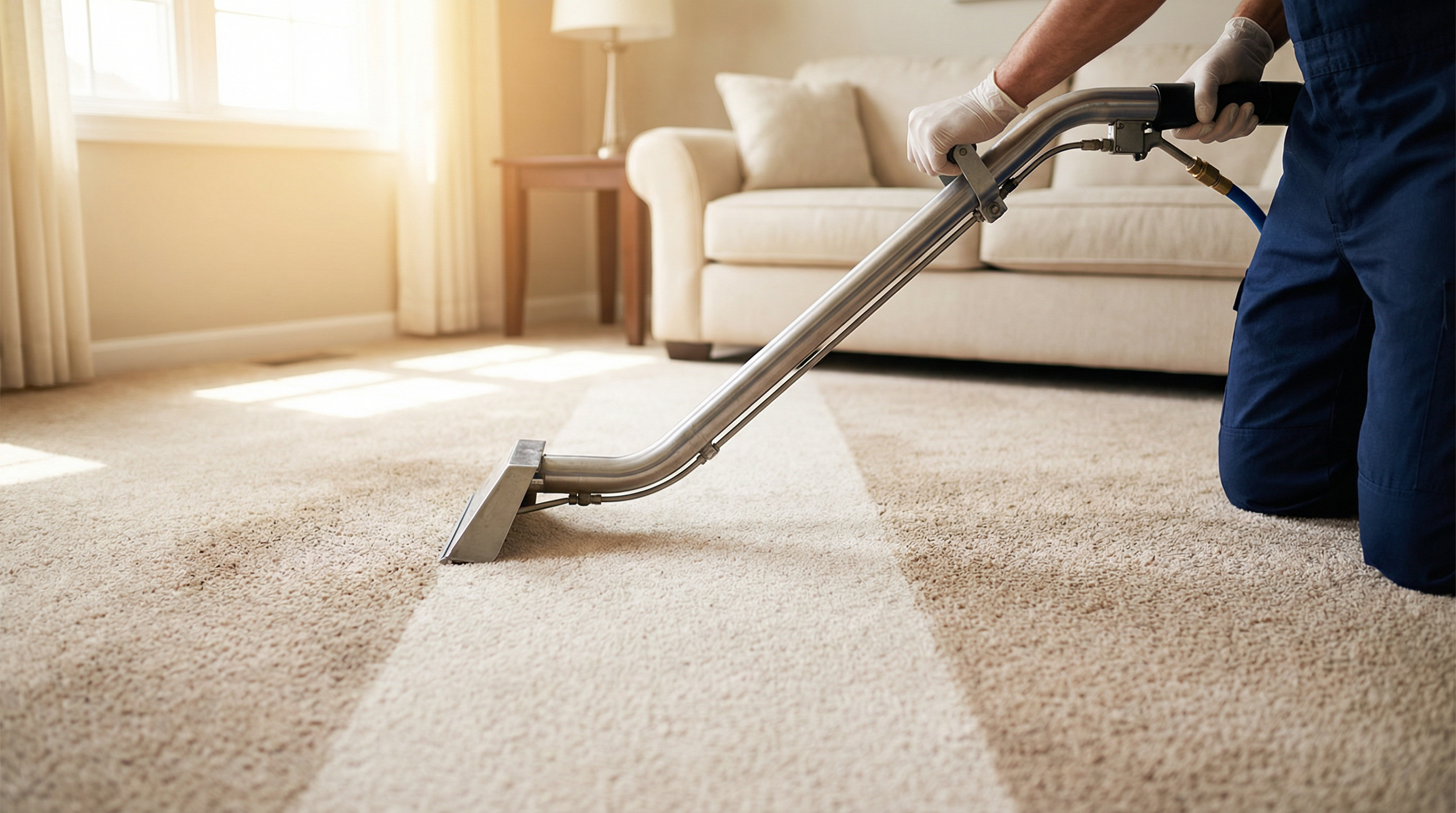
Hot water extraction remains the most effective deep cleaning method for commercial carpet. Schedule extraction cleaning based on traffic levels—semi-annually for moderate traffic, quarterly for heavy traffic, and monthly for extreme conditions like restaurant dining rooms.
Professional cleaning should be performed after hours or during slow periods to minimize business disruption. Most commercial carpet dries within four to six hours with proper ventilation.
Hard Floor Maintenance
VCT and Vinyl Floors
Vinyl composition tile (VCT) is common in commercial settings due to its durability and low cost. Proper maintenance includes daily dust mopping to remove grit that scratches finishes, damp mopping with neutral cleaner, regular spray buffing to maintain shine, and periodic stripping and refinishing.
The frequency of stripping and refinishing depends on traffic. High-traffic areas may need attention quarterly, while low-traffic areas might go a year or more between refinishing.
Ceramic and Porcelain Tile
Tile floors are durable but grout lines require attention. Grout is porous and absorbs soil, becoming discolored over time. Daily maintenance should include sweeping and damp mopping with pH-neutral cleaner.
Periodic professional cleaning addresses grout discoloration and removes embedded soil. Grout sealing after cleaning provides protection and makes ongoing maintenance easier.
Hardwood and Engineered Wood
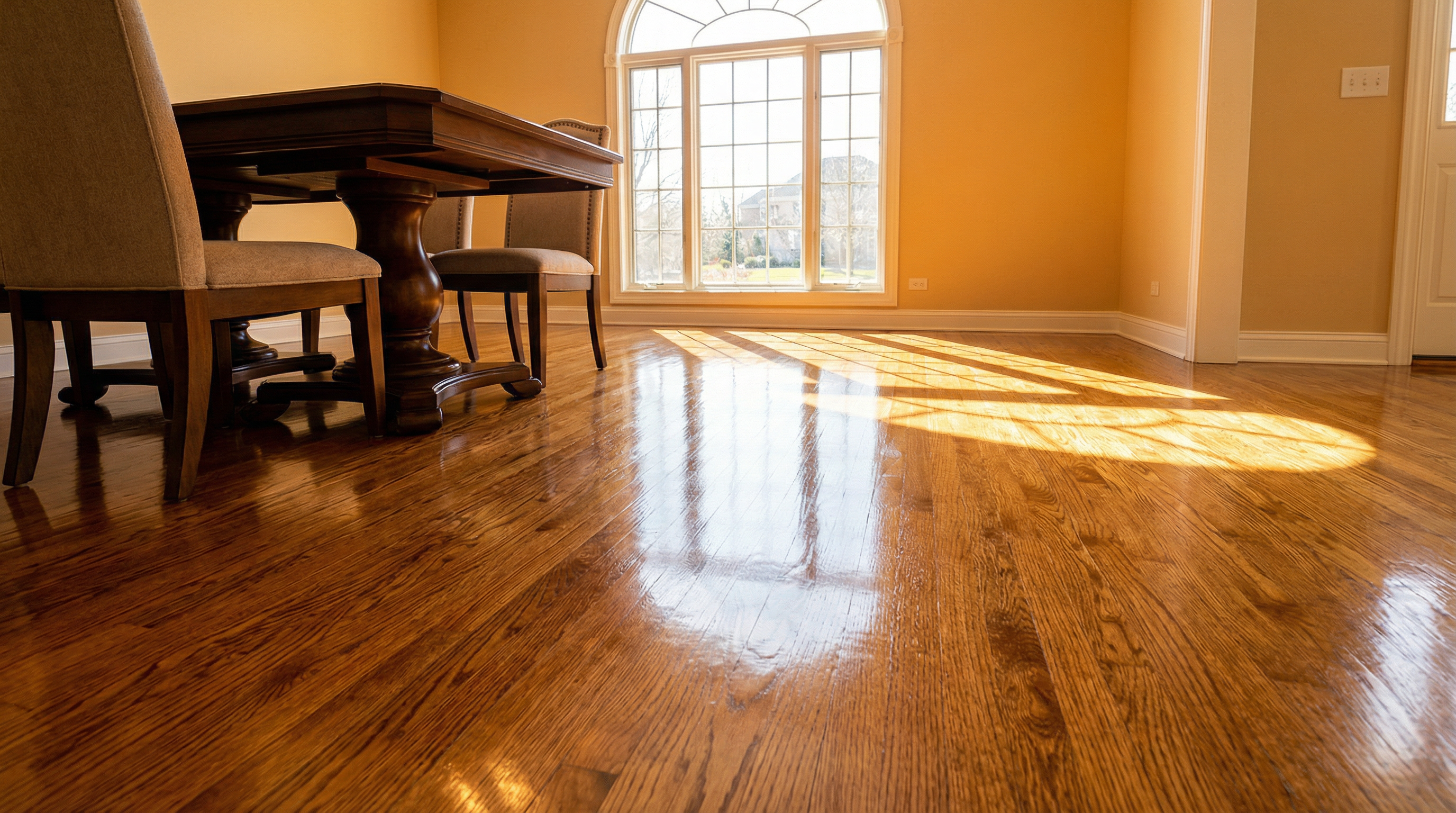
Commercial hardwood requires careful maintenance to preserve its appearance and protective finish. Daily dust mopping removes grit that can scratch the finish. Damp mopping should use products specifically designed for hardwood—never excessive water.
Periodic screening and recoating refreshes the finish without full refinishing. This process should be performed before wear penetrates to the wood itself.
Concrete and Polished Concrete
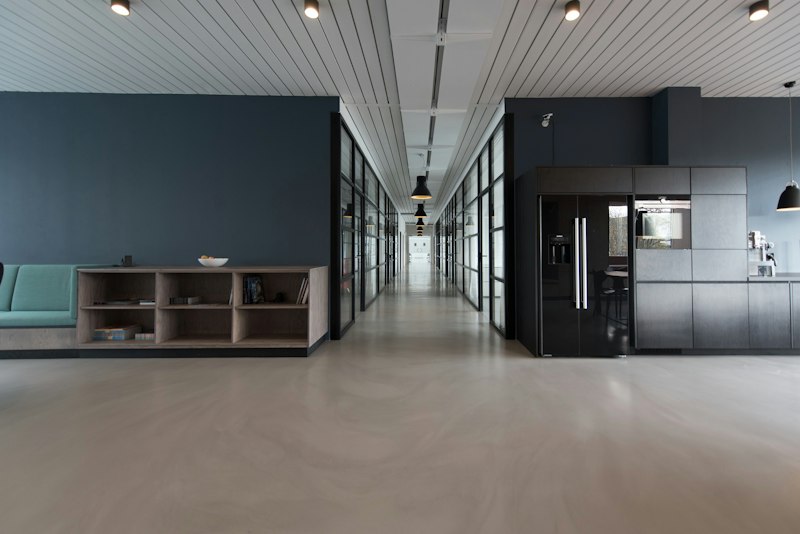
Polished concrete has become popular in commercial settings for its durability and modern appearance. Maintenance includes daily dust mopping, periodic damp mopping with appropriate cleaners, and occasional re-polishing to maintain shine.
Sealed concrete requires periodic resealing to maintain protection and appearance.
Industry-Specific Considerations
Healthcare Facilities
Healthcare settings require the highest standards of cleanliness. Floor maintenance must address infection control requirements, use approved disinfecting products, accommodate 24/7 operations, and meet regulatory compliance standards.
Work with cleaning providers experienced in healthcare environments who understand the unique requirements and regulations.
Food Service
Restaurants and food service areas face constant challenges from grease, food spills, and high traffic. Effective maintenance requires frequent cleaning—often multiple times daily, grease-cutting products for kitchen areas, slip-resistant treatments for safety, and coordination with health department requirements.
Retail Environments
Retail floors must look impeccable while withstanding heavy customer traffic. Maintenance must be performed during closed hours to avoid disrupting customers, focus on entrance areas where first impressions form, address seasonal challenges like winter salt and mud, and maintain consistent appearance across large floor areas.
Office Buildings
Office environments balance professional appearance with practical maintenance schedules. Focus maintenance on high-visibility areas like lobbies and conference rooms, coordinate cleaning with building occupancy patterns, and address carpet wear in traffic lanes and around workstations.
Working with Professional Services
Selecting a Provider
Choose commercial cleaning providers based on experience with your floor types and industry, appropriate equipment and certifications, references from similar businesses, insurance and bonding, and flexibility to work around your schedule.
Contract Considerations
Commercial cleaning contracts should clearly specify scope of services and frequencies, products and methods to be used, quality standards and inspection procedures, pricing structure and payment terms, and procedures for addressing problems.
Quality Assurance
Establish clear quality standards and inspection procedures. Regular walk-throughs with your cleaning provider identify issues before they become problems and ensure consistent service delivery.
Conclusion
Commercial floor maintenance is an investment that pays dividends in customer impressions, employee health, and floor longevity. By implementing comprehensive maintenance programs tailored to your specific needs, you protect your flooring investment while creating an environment that reflects well on your business.
Remember, your floors are working for you every day. Give them the care they deserve, and they'll continue making positive impressions for years to come.
Need professional commercial floor maintenance for your Chicago-area business? Haugland Brothers has been serving commercial clients throughout the Western Suburbs since 1968. Contact us for a customized maintenance proposal.