Introduction
Pets bring immeasurable joy to our lives—unconditional love, companionship, and endless entertainment. They also bring fur, dander, muddy paws, and the occasional accident. For pet owners, maintaining clean carpets can feel like a never-ending battle.
The good news? With the right strategies and tools, you can enjoy both your furry friends and beautiful carpets. This comprehensive guide covers everything pet owners need to know about carpet maintenance, from daily habits to emergency response.
Understanding Pet-Related Carpet Challenges
Pet Hair and Dander
Pet hair is the most visible challenge, but dander—microscopic flakes of skin—is often more problematic. Dander embeds deep in carpet fibers where it triggers allergies and accumulates over time. Even "hypoallergenic" breeds produce dander, though in smaller quantities.
The average dog or cat sheds thousands of hairs daily, with seasonal increases during spring and fall. Without proper management, this hair accumulates rapidly, creating an unsightly and potentially unhealthy environment.
Accidents and Odors
Even well-trained pets have accidents. Puppies and kittens are still learning, senior pets may have incontinence issues, and illness or stress can cause accidents in any pet. The challenge isn't just cleaning the visible mess—it's addressing the odor-causing bacteria that penetrate deep into carpet fibers and padding.
Pet urine is particularly problematic because it contains uric acid crystals that bind to carpet fibers. These crystals are activated by humidity, which is why pet odors often seem worse on humid days or after steam cleaning.
Tracked-In Dirt and Debris
Pets don't wipe their feet. Every trip outside brings dirt, mud, grass, and whatever else they've walked through directly onto your carpets. This constant influx of outdoor debris accelerates carpet wear and creates ongoing cleaning challenges.
Daily and Weekly Maintenance
Vacuuming Strategy
For pet owners, vacuuming isn't optional—it's essential. Vacuum high-traffic areas and pet zones every two to three days, with a thorough whole-house vacuum at least twice weekly.
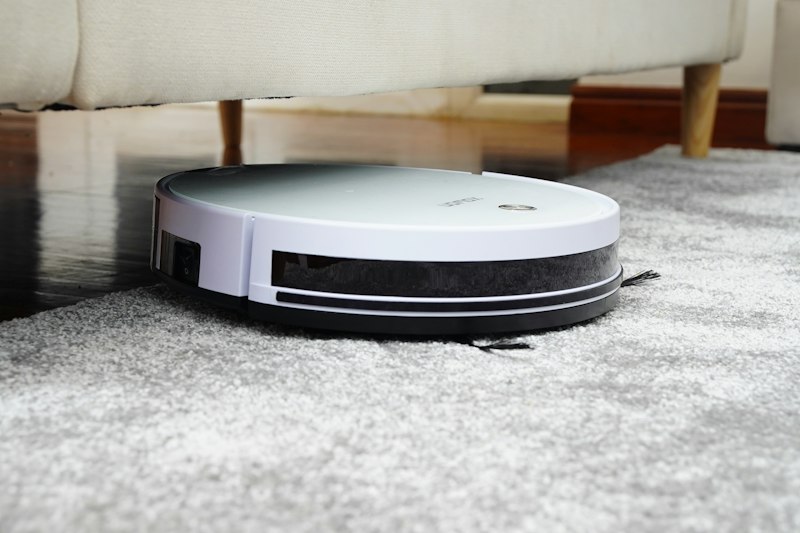
Invest in a vacuum designed for pet hair. Key features to look for include strong suction power, a motorized brush roll that can be turned off for hard floors, HEPA filtration to trap allergens, easy-to-empty canisters, and specialized pet hair attachments.
Vacuum slowly, making multiple passes over each area. Pet hair wraps around carpet fibers and requires more effort to remove than regular dirt.
Furniture and Upholstery
Pets love furniture, and furniture loves to collect pet hair. Vacuum upholstered furniture weekly using appropriate attachments. For stubborn hair, try a rubber squeegee or damp rubber glove—the rubber creates static that lifts hair from fabric.
Consider using washable furniture covers in your pet's favorite spots. These can be removed and laundered regularly, protecting the furniture underneath.
Grooming Connection
Regular pet grooming dramatically reduces the amount of hair and dander that ends up in your carpet. Brush your pet daily during shedding season and several times weekly otherwise. Bathe pets monthly or as recommended by your veterinarian.
Grooming outside when weather permits keeps loose hair out of your home entirely. If grooming indoors, do it in an easy-to-clean area like a bathroom or on a washable mat.
Accident Response Protocol
The Critical First Minutes
How you respond to pet accidents in the first few minutes determines whether you'll have a temporary mess or a permanent problem. Speed is everything.
For Liquid Accidents (Urine)
First, blot up as much liquid as possible using white paper towels or clean white cloths. Press firmly and continue with fresh towels until no more moisture transfers. Work from the outside edges toward the center to prevent spreading.
Next, apply cool water to dilute the remaining urine. Never use hot water or steam—heat permanently sets urine stains and odors into carpet fibers. Blot up the water thoroughly.
Apply an enzyme-based pet cleaner according to product directions. Enzyme cleaners contain beneficial bacteria that break down uric acid crystals—the source of persistent pet odors. Allow the product to work for the recommended time, then blot dry.
For Solid Accidents
Remove solid waste carefully using a plastic bag or paper towels, taking care not to press it into carpet fibers. Scrape any residue gently with a dull knife or spoon.
Clean the area with an enzyme-based cleaner, following the same process as for liquid accidents. Even if no visible stain remains, the enzyme treatment is essential for eliminating odor-causing bacteria.
What NOT to Do
Never use ammonia-based cleaners on pet accidents. Ammonia smells similar to urine and may encourage pets to re-mark the spot. Avoid steam cleaning pet stains—the heat sets odors permanently. Don't scrub or rub, which damages carpet fibers and spreads the stain.
Odor Elimination Strategies
Understanding Pet Odors
Pet odors come from multiple sources: urine and feces, body oils that transfer to carpet, saliva from grooming and playing, and general "pet smell" from dander and fur.
Surface cleaning addresses visible messes but often leaves odor-causing residues deep in carpet fibers and padding. This is why professional cleaning is essential for pet owners.
DIY Odor Control
Between professional cleanings, baking soda is your friend. Sprinkle it liberally over carpets, let it sit for several hours or overnight, then vacuum thoroughly. Baking soda absorbs odors without leaving residue.
For localized odors, enzyme cleaners are most effective. These products continue working as long as they remain moist, so follow product directions carefully and allow adequate dwell time.
When to Call Professionals
Some situations require professional intervention. Call a professional if odors persist despite home treatment, you've discovered old, set-in stains, multiple accidents have occurred in the same area, or you're preparing to sell your home or move.
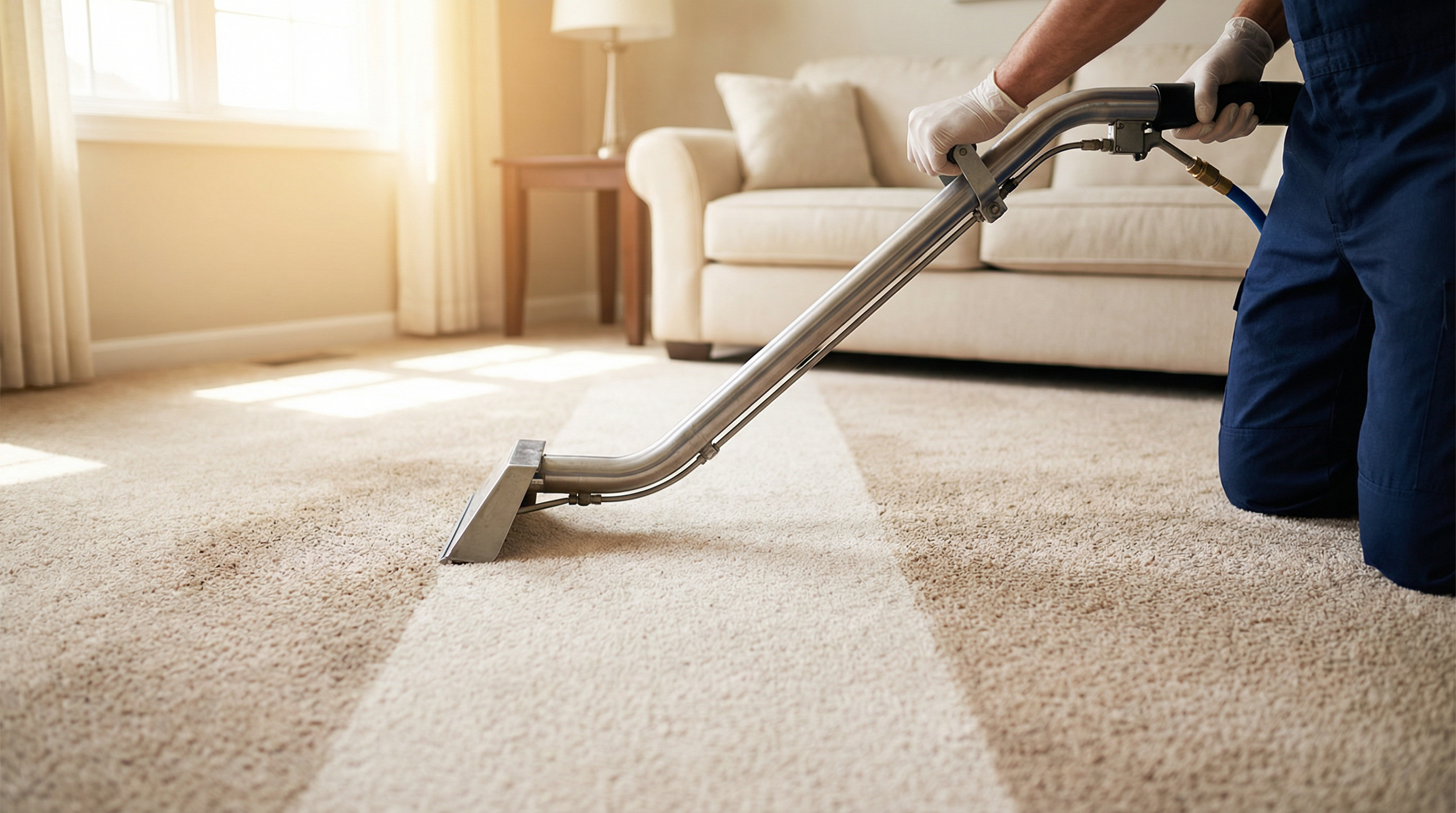
Professional cleaners have access to specialized enzyme treatments, sub-surface extraction equipment, and odor-neutralizing technologies that aren't available to consumers.
Preventing Future Problems
Training and Routine
Consistent bathroom routines prevent most accidents. Take dogs out frequently—especially puppies, senior dogs, and those with health issues. Maintain clean litter boxes for cats, as a dirty box is the most common cause of feline accidents.
Address accidents without punishment. Punishing pets for accidents doesn't prevent future incidents and may cause anxiety that leads to more problems.
Strategic Carpet Protection
Consider your carpet choices in pet areas. Low-pile, solution-dyed carpets resist staining and are easier to clean. Area rugs in pet zones can be cleaned or replaced more easily than wall-to-wall carpet.
Carpet protectants like Scotchgard create a barrier that gives you more time to clean up accidents before they penetrate fibers. Ask about protectant application during professional cleaning.
Pet Zones
Designate specific areas for pet activities. Use washable mats under food and water bowls, place beds on easy-to-clean surfaces, and create a "mudroom" routine for wiping paws after outdoor time.
Professional Cleaning for Pet Owners
Frequency Recommendations
Pet owners should schedule professional carpet cleaning more frequently than pet-free households. General guidelines suggest cleaning every six to twelve months for one pet, every six months for multiple pets, and every three to six months for pets with accidents or health issues.
What to Tell Your Cleaner
Be honest with your carpet cleaner about pet issues. Point out accident locations even if you've treated them, mention any ongoing odor concerns, and discuss your pets' habits and problem areas. This information helps technicians choose appropriate treatments and focus attention where it's needed most.
Specialized Pet Treatments
Professional cleaners offer treatments specifically for pet issues. These include enzyme pre-treatments for urine contamination, sub-surface extraction for deep cleaning carpet padding, odor-neutralizing treatments, and sanitizing applications.
Conclusion
Living happily with pets and clean carpets is absolutely possible. The key is consistent maintenance, prompt accident response, and regular professional cleaning. By implementing the strategies in this guide, you can enjoy the companionship of your furry friends without sacrificing the beauty and cleanliness of your home.
Remember, your pets are family. A little extra effort in carpet maintenance is a small price for the joy they bring to your life.
Struggling with pet-related carpet issues? Haugland Brothers specializes in pet stain and odor removal for Chicago's Western Suburbs. Contact us for a free assessment and estimate.