Introduction
You've scheduled your professional carpet cleaning appointment—congratulations on taking an important step toward a healthier, more beautiful home. But the work doesn't start when the technicians arrive. Proper preparation ensures you get the most value from your investment and helps the cleaning process go smoothly.
This guide walks you through everything you need to do before, during, and after your professional carpet cleaning appointment to maximize results.
One Week Before: Planning and Scheduling
Clear Your Calendar
Professional carpet cleaning typically takes two to four hours for an average-sized home, plus drying time of four to six hours. Plan to be home during the cleaning and avoid scheduling activities that require walking on freshly cleaned carpets.
Identify Problem Areas
Walk through your home and note specific concerns you want to address. Take photos of stubborn stains and make notes about their origin—this information helps technicians choose the right pre-treatment solutions. Common issues to flag include pet stains and odors, high-traffic wear patterns, food and beverage spills, and mystery stains of unknown origin.
Communicate Special Needs
If you have family members with allergies, chemical sensitivities, or respiratory conditions, inform the cleaning company in advance. Many companies offer hypoallergenic or fragrance-free cleaning solutions upon request. Also mention if you have delicate antique rugs or specialty carpet materials that require special handling.
Two to Three Days Before: Decluttering
Remove Small Items
Clear the floors of small items that could get in the way or be damaged. This includes toys and games, pet bowls and beds, floor lamps and small furniture, decorative items and plants, and shoes and clothing.
Secure Valuables
While professional cleaners are trustworthy, it's good practice to secure jewelry, cash, important documents, and other valuables in a safe location. This protects both your belongings and eliminates any potential misunderstandings.
Address Fragile Items
Remove breakable items from shelves and tables near the cleaning area. The vibration from cleaning equipment and movement of furniture can cause items to shift or fall.
The Day Before: Furniture Preparation
Decide What to Move
Most professional cleaning companies offer furniture moving as part of their service, but there are limitations. Technicians typically move sofas, chairs, and small tables, but they won't move heavy items like pianos, china cabinets, beds, or entertainment centers with electronics.
Decide in advance whether you want technicians to move furniture or if you prefer to handle it yourself. If you choose to move furniture yourself, do it the day before to avoid rushing on cleaning day.
Protect Furniture Legs
After cleaning, furniture shouldn't be placed directly on damp carpet. Professional cleaners typically place foam blocks or plastic tabs under furniture legs to prevent moisture damage and staining. If you're moving furniture yourself, have these protectors ready or ask your cleaning company to provide them.
Clear Pathways
Ensure technicians have clear access from their truck to all areas being cleaned. This includes driveways, walkways, entryways, hallways, and stairs. Truck-mounted cleaning equipment requires hoses that run from the vehicle into your home, so a clear path is essential.
Cleaning Day: Final Preparations
Vacuum Thoroughly
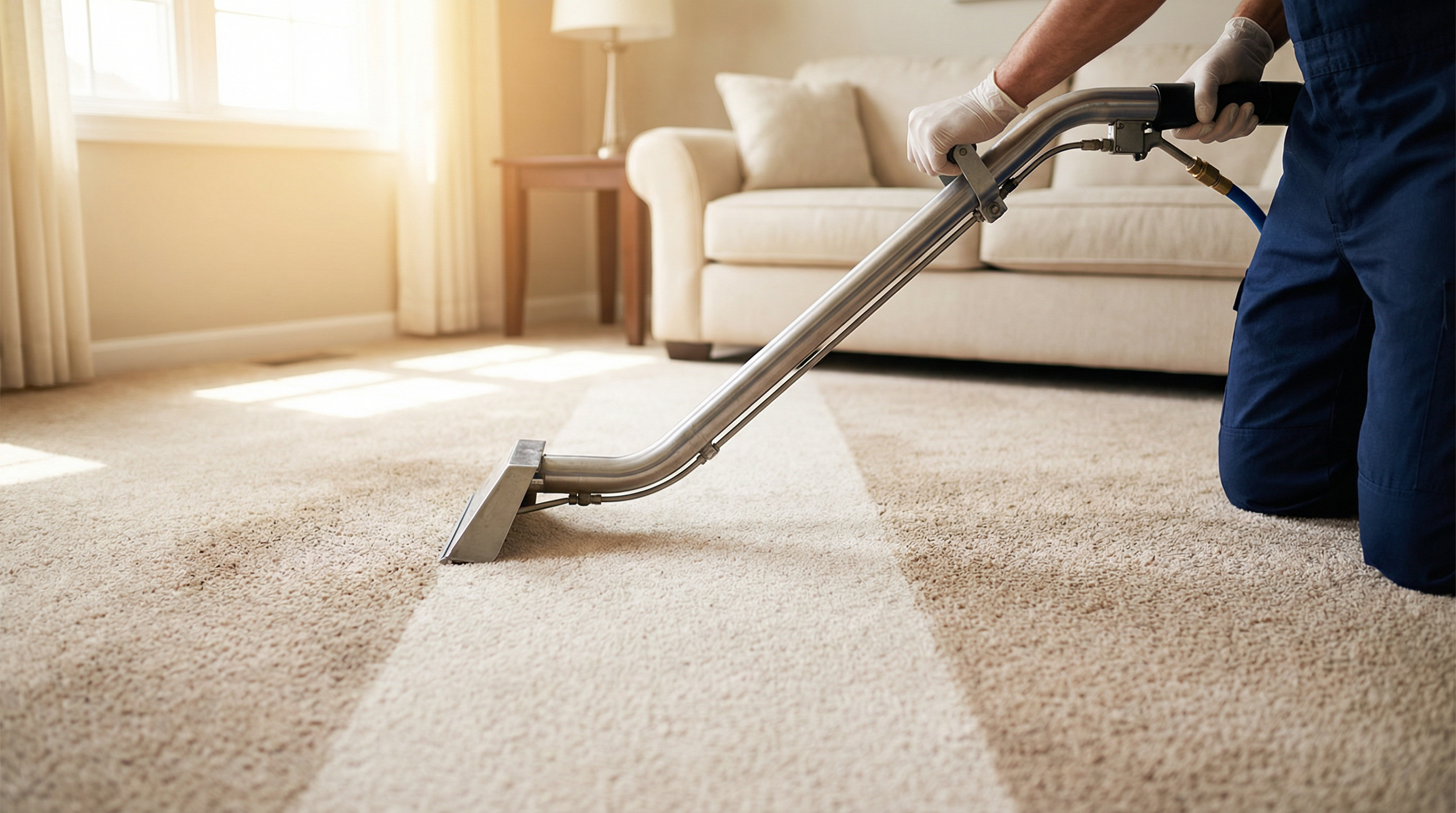
While it might seem redundant, vacuuming before professional cleaning is highly recommended. Professional hot water extraction works best when loose surface dirt has been removed. A thorough vacuuming allows the cleaning solution to penetrate deeper into carpet fibers and focus on embedded soil.
Pre-treat Heavy Stains
If you have specific stains you've been treating, stop applying products 24 hours before the appointment. Let the professionals assess the stains fresh and apply appropriate treatments. Continuing to apply home remedies can sometimes set stains or create chemical reactions with professional products.
Secure Pets
Arrange for pets to be in a secure area away from the cleaning zones. This protects your pets from stress and cleaning chemicals, prevents them from running out open doors, keeps them from walking on wet carpets, and allows technicians to work efficiently without distractions.
Prepare for Noise
Truck-mounted cleaning equipment is loud. If you have infants, plan for nap time around the cleaning schedule. If you work from home, consider scheduling calls before or after the appointment.
During the Cleaning: What to Expect
The Walk-Through
A professional technician will walk through your home with you before starting. Use this time to point out specific concerns and stains, ask questions about the process, confirm which areas will be cleaned, and discuss any special instructions.
The Process
Professional carpet cleaning typically follows this sequence: pre-inspection and stain identification, pre-treatment of spots and high-traffic areas, application of cleaning solution, agitation to loosen embedded soil, hot water extraction, and post-cleaning inspection.
Stay Available
Remain accessible during the cleaning in case technicians have questions or discover issues that need your attention. However, you don't need to supervise every moment—feel free to work in another area of your home.
After the Cleaning: Maximizing Results
Drying Time
Properly cleaned carpets typically dry within four to six hours under normal conditions. You can speed drying by turning on ceiling fans and HVAC systems, opening windows if weather permits, using portable fans to increase air circulation, and keeping humidity low with a dehumidifier if necessary.
Walking on Carpets
If you must walk on damp carpets, wear clean white socks or the booties provided by your cleaning company. Avoid walking barefoot, as oils from your feet can transfer to clean fibers. Never walk on wet carpet in shoes.
Furniture Replacement
Wait until carpets are completely dry before removing protective tabs from furniture legs. If furniture is replaced too soon, moisture can wick up into wood legs, causing damage or leaving rust stains from metal components.
Ventilation
Keep your home well-ventilated for 24 hours after cleaning. This helps carpets dry faster and dissipates any cleaning solution odors. If you notice a slight smell after cleaning, it's normal and will fade as carpets dry completely.
Post-Cleaning Care
The First Week
Avoid heavy traffic on freshly cleaned carpets for the first 24 hours. For the first week, vacuum gently and avoid applying any spot treatments unless absolutely necessary. This allows carpet fibers to fully recover and any protective treatments to cure properly.
Ongoing Maintenance
To extend the results of your professional cleaning, vacuum regularly (at least twice weekly), address spills immediately using proper blotting technique, use doormats and implement a no-shoes policy, and schedule your next professional cleaning in 12 to 18 months.
Conclusion
Proper preparation transforms a good carpet cleaning into a great one. By following this guide, you'll help your cleaning technicians work efficiently, protect your belongings, and maximize the results of your investment.
Remember, professional carpet cleaning isn't just about appearance—it's about creating a healthier home environment by removing allergens, bacteria, and pollutants that accumulate in carpet fibers over time.
Ready to schedule your professional carpet cleaning? Haugland Brothers has been serving Chicago's Western Suburbs since 1968. Contact us for a free estimate and experience the difference proper preparation and professional expertise can make.