Introduction
Chicago's climate presents unique challenges for homeowners trying to maintain beautiful floors. From harsh winters with road salt and snow to humid summers and everything in between, each season brings specific threats to your carpets, hardwood, and tile. Understanding these seasonal challenges—and how to address them—keeps your floors looking their best year-round.
This guide provides Chicago-specific advice for protecting your floors through every season, with practical tips you can implement immediately.
Winter: The Toughest Season for Floors
The Salt Problem
Road salt is essential for Chicago's icy streets but devastating for floors. Salt crystite creates white, crusty stains on carpets, damages hardwood finishes and can cause warping, etches into tile grout, and continues causing damage even after it dries.
The key to managing salt damage is prevention and prompt action. Place heavy-duty mats at every entrance—the coarser the texture, the better. These mats should be large enough for several steps and should be cleaned or shaken out daily during winter months.
Snow and Moisture Management
Melting snow tracked inside creates moisture problems that go beyond visible puddles. Water seeps into carpet padding where it can promote mold growth, penetrates hardwood seams causing swelling and cupping, and saturates grout lines leading to deterioration.
Create a "transition zone" at entrances where wet boots and shoes can be removed. Use boot trays to contain melting snow, and keep towels handy for wiping up moisture before it spreads.
Winter Humidity Challenges
Chicago winters bring extremely dry indoor air as heating systems run constantly. Low humidity causes hardwood floors to shrink, creating gaps between boards. While some seasonal movement is normal, extreme dryness can cause permanent damage.
Maintain indoor humidity between 35 and 55 percent using a whole-house humidifier or portable units. This protects your floors and improves comfort for your family.
Winter Cleaning Schedule
Increase your cleaning frequency during winter months. Vacuum high-traffic areas daily to remove salt and grit before they grind into carpet fibers. Damp-mop hard floors weekly to remove salt residue—use a solution of one cup white vinegar per gallon of warm water to neutralize salt's alkalinity.
Spring: Recovery and Renewal
Post-Winter Assessment
As winter ends, assess your floors for damage. Look for salt stains and residue on carpets, white haze or finish damage on hardwood, grout discoloration or deterioration, and any signs of moisture damage or mold.
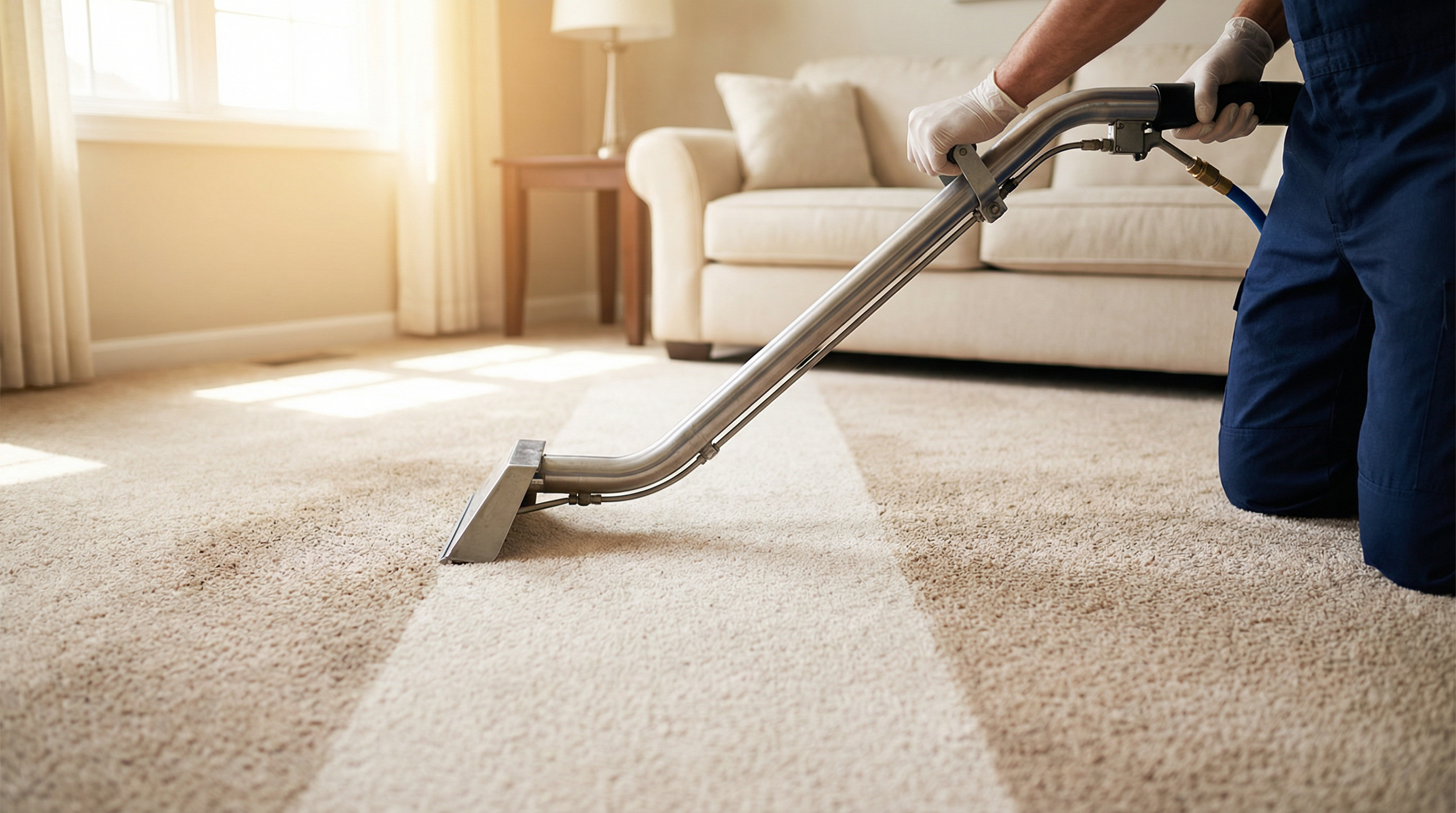
Spring is the ideal time for professional cleaning to remove winter's accumulated damage and prepare floors for the active months ahead.
Mud Season Management
Chicago's spring thaw creates weeks of muddy conditions. Mud tracked inside contains organic matter that can stain carpets and promote bacterial growth. Continue using entrance mats and enforce shoe removal policies until conditions dry out.
For mud stains on carpet, let the mud dry completely before attempting removal. Dried mud vacuums up easily, while wet mud spreads and sets deeper into fibers.
Spring Allergen Concerns
Spring brings pollen season, and Chicago's trees and grasses produce significant allergen loads. Pollen enters through open windows and on clothing, settling into carpet fibers where it accumulates.
For allergy sufferers, schedule professional carpet cleaning in late spring after peak pollen season. This removes accumulated allergens and provides relief heading into summer.
Deep Cleaning Timing
Spring is an excellent time for annual professional cleaning. Moderate temperatures and lower humidity mean faster drying times, and removing winter's buildup prepares your floors for summer activities.
Summer: Heat, Humidity, and High Traffic
Humidity Control
Chicago summers bring high humidity that affects all floor types. Excess moisture causes carpet to feel damp and can promote mold growth, makes hardwood expand and potentially buckle, and encourages mold growth in tile grout.
Run air conditioning or dehumidifiers to maintain indoor humidity below 55 percent. This protects your floors and improves comfort during hot, sticky weather.
Increased Traffic Patterns
Summer means more activity—kids home from school, outdoor entertaining, and frequent trips in and out. This increased traffic accelerates wear on carpets and floors.
Consider placing area rugs in high-traffic zones to protect underlying carpet or flooring. These sacrificial layers can be cleaned or replaced more easily than permanent flooring.
Sun Damage Prevention
Chicago's summer sun can fade carpets and damage hardwood finishes. UV rays cause carpet colors to fade unevenly, hardwood to discolor and dry out, and some synthetic carpet fibers to break down.
Use window treatments to block direct sunlight during peak hours. UV-filtering window films provide protection while maintaining natural light.
Summer Stain Risks
Summer activities bring specific stain risks: sunscreen, insect repellent, grass stains, popsicle drips, and barbecue sauce. Keep your stain removal kit stocked and address spills immediately—summer heat can set stains faster than cooler temperatures.
Fall: Preparation and Prevention
Leaf and Debris Management
Falling leaves tracked inside bring moisture, organic matter, and potential staining. The tannins in decomposing leaves can permanently stain light-colored carpets. Maintain entrance mats and increase sweeping frequency as leaves fall.
Pre-Winter Preparation
Fall is your last chance to address floor issues before winter's harsh conditions arrive. Schedule professional cleaning in early fall to remove summer's accumulation and start winter with clean, protected floors.
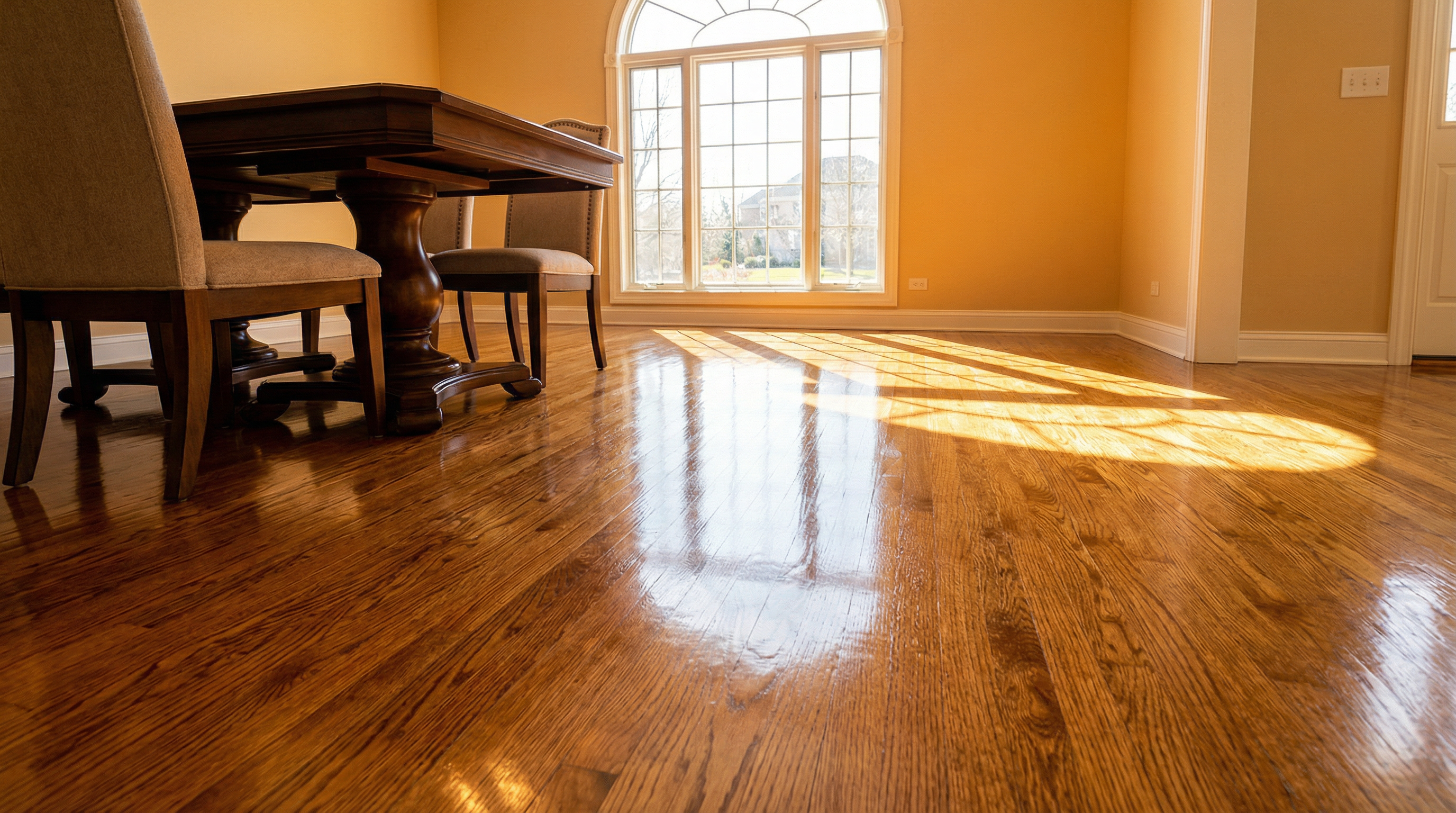
For hardwood floors, fall is ideal for refinishing or resealing. Fresh finish provides maximum protection against winter moisture and salt.
Humidity Transition
As heating season begins, indoor humidity drops rapidly. Begin monitoring humidity levels and prepare humidification systems before hardwood floors start showing stress from dry conditions.
Holiday Preparation
With holidays approaching, fall cleaning ensures your home looks its best for gatherings. Professional cleaning in October or November gives floors time to fully dry and any protective treatments time to cure before holiday entertaining.
Year-Round Best Practices
Consistent Maintenance
Regardless of season, certain practices protect your floors year-round. Vacuum carpets at least twice weekly and more often in high-traffic areas. Clean hard floors weekly with appropriate products. Address spills immediately using proper techniques. Maintain consistent indoor humidity between 35 and 55 percent.
Professional Cleaning Schedule
Most Chicago homes benefit from professional carpet cleaning every 12 to 18 months. However, homes with pets, children, allergies, or high traffic may need more frequent service. Consider scheduling professional cleaning seasonally—perhaps a deep clean in spring and a maintenance clean in fall.
Entrance Management
Your entrance strategy is your first line of defense in every season. Invest in quality mats, enforce shoe removal policies, and maintain a clean transition zone. These simple practices dramatically reduce the amount of dirt, moisture, and contaminants that reach your floors.
Conclusion
Chicago's climate demands year-round attention to floor care. By understanding seasonal challenges and implementing appropriate strategies, you can protect your flooring investment and maintain a beautiful, healthy home regardless of what weather comes your way.
Remember, prevention is always easier than restoration. A little extra attention during challenging seasons prevents damage that's expensive and time-consuming to repair.
Need help preparing your floors for Chicago's challenging seasons? Haugland Brothers has been helping Western Suburbs homeowners protect their flooring investments since 1968. Contact us for seasonal cleaning and maintenance services.